Communication Skills for Teenagers
Speaking, Listening, and Connecting the Right Way
What Are Communication Skills?
Communication skills are the ways we share ideas, feelings, thoughts, and information with other people. We communicate every day at school, at home, online, with friends, and even through body language without speaking.
Good communication helps us:
Build friendships
Solve problems peacefully
Work better in teams
Avoid misunderstandings
Show respect and confidence
Bad communication can lead to arguments, confusion, broken friendships, and hurt feelings.
Types of Communication
1. Verbal Communication
This is communication through speaking.
Examples:
Talking to your parents
Answering questions in class
Having conversations with friends
Giving presentations
Phone calls
Good verbal communication includes:
Speaking clearly
Using respectful words
Listening before replying
Thinking before speaking
Teen Challenge:
Sometimes teenagers speak too quickly out of anger, pressure, or emotion. Learning to stay calm before responding is a powerful skill.
2. Non-Verbal Communication
This is communication without words.
Your body can speak even when your mouth is silent.
Examples:
Facial expressions
Eye contact
Hand gestures
Tone of voice
Posture
Attitude
Example:
If someone says “I’m fine” but looks angry or sad, their body language is communicating something different.
Important Truth:
People often remember your attitude more than your words.
3. Written Communication
This is communication through writing.
Examples:
Text messages
Emails
School assignments
Social media posts
Notes and letters
Teen Reminder:
Once something is posted online, it can spread quickly and may be difficult to remove. Think before you type.
Ask yourself:
Is it kind?
Is it true?
Is it necessary?
Would I say this face-to-face?
4. Visual Communication
This is communication through images, videos, symbols, and designs.
Examples:
Memes
Instagram posts
TikTok videos
Posters
Emojis
Advertisements
We live in a visual world where pictures and videos influence how people think and behave.
Teen Challenge:
Not everything online shows real life. Social media can create pressure, comparison, and misunderstanding. Learn to think wisely about what you watch and share.
Levels of Communication
1. Communication with Yourself
This is called self-talk.
What you tell yourself matters.
Examples:
“I can do this.”
“Nobody likes me.”
“I’m a failure.”
“I will improve.”
Positive self-talk builds confidence. Negative self-talk destroys confidence.
2. Communication with Others
This happens in conversations and relationships.
Examples:
Friends
Family
Teachers
Coaches
Classmates
Healthy communication builds trust and respect.
3. Group Communication
This happens when speaking in teams, classrooms, churches, or clubs.
Important skills:
Respect others’ opinions
Take turns speaking
Listen carefully
Work together
Common Communication Mistakes Teenagers Make
Interrupting people
Shouting during arguments
Using hurtful words
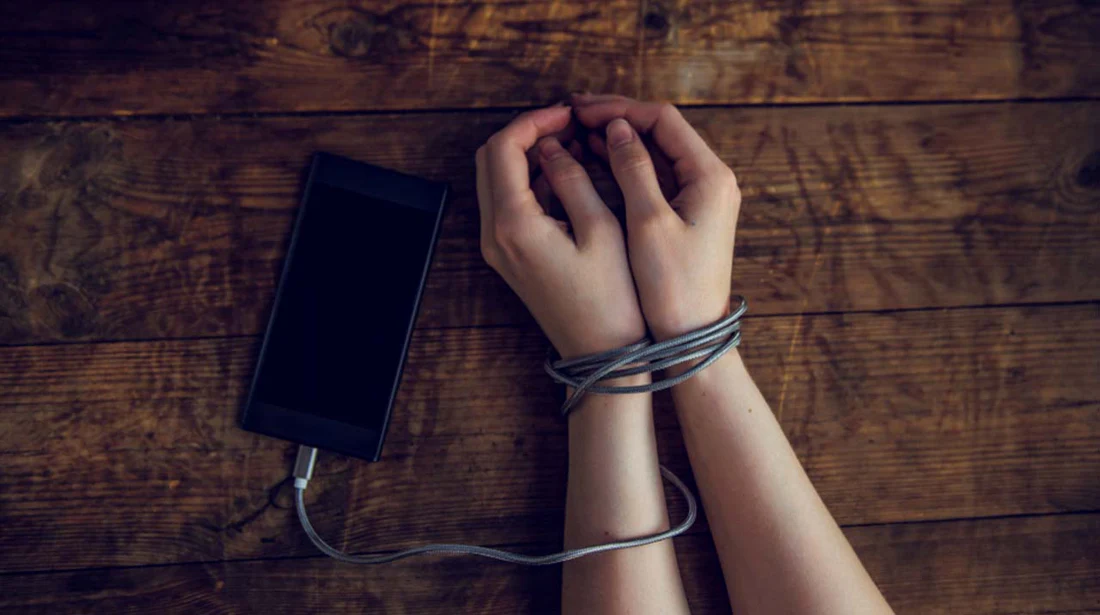
Ignoring others while on phones
Misunderstanding text messages
Gossiping
Posting angry messages online
Remember:
Words can heal or hurt. Once words leave your mouth, you cannot take them back.
How to Become a Better Communicator
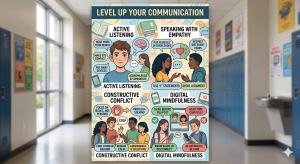
1. Learn to Listen
Good communication starts with listening, not talking.
Practice:
Don’t interrupt
Pay attention
Make eye contact
Listen to understand, not just to reply
2. Control Your Anger
Speaking while angry often causes regret.
Before reacting:
Pause
Breathe
Think carefully
3. Speak with Respect
Even when you disagree, speak politely.
Respectful communication shows maturity and wisdom.
4. Be Honest
Lies damage trust. Truth builds strong relationships.
5. Think Before You Post Online
Social media communication matters too.
Never use communication to:
Bully people
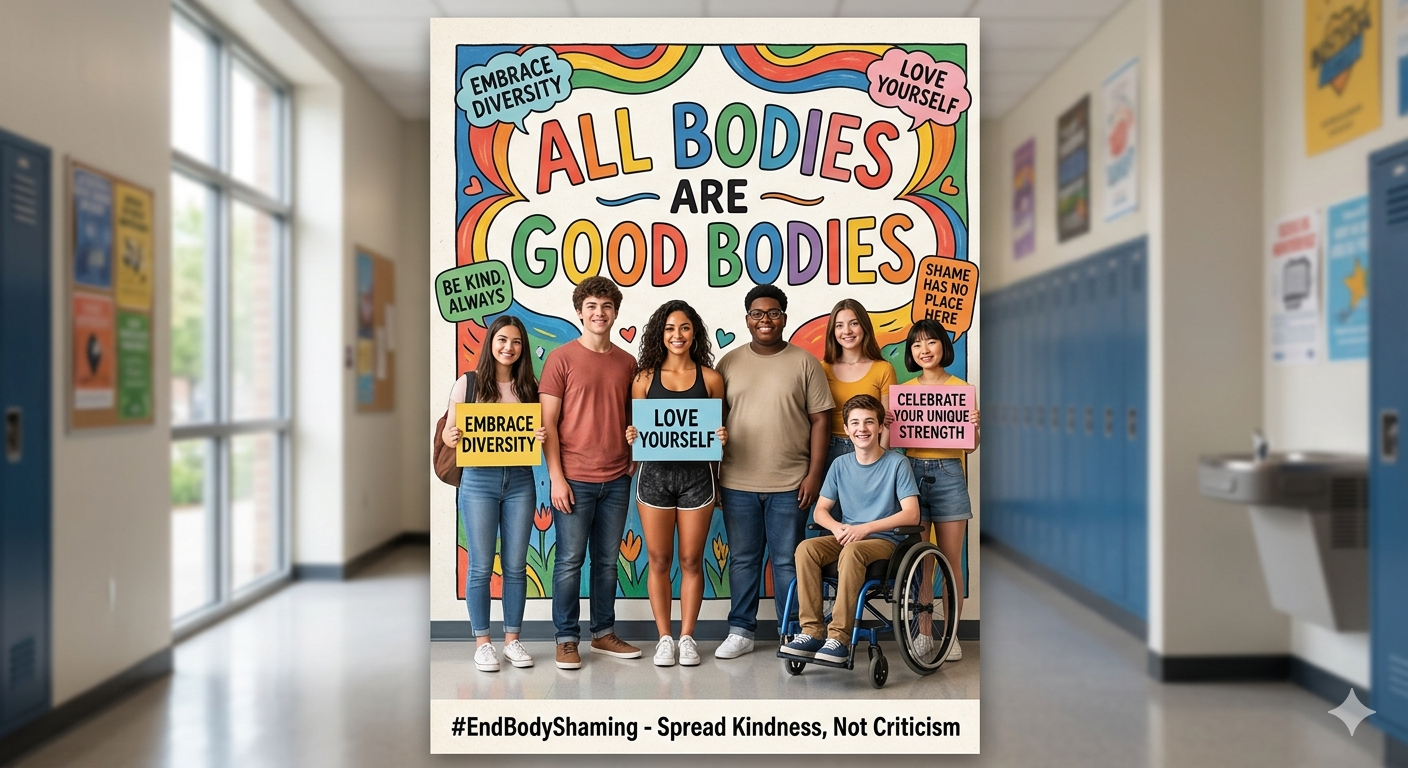
Shame others
Spread rumors
Hurt someone emotionally
Use your words to encourage and inspire.
What the Bible Says About Communication
James 1:19
“Everyone should be quick to listen, slow to speak and slow to become angry.”
Lesson:
Listen more. React less.
Ephesians 4:29
“Do not let any harmful talk come out of your mouths, but only what is helpful for building others up.”
Lesson:
Use your words to encourage people, not destroy them.
Proverbs 15:1
“A gentle answer turns away anger, but harsh words stir up anger.”
Lesson:
Calm words can stop fights.
Colossians 4:6
“Let your conversation be always full of grace.”
Lesson:
Speak kindly and respectfully.
Psalms 141:3
“Set a guard over my mouth, Lord.”
Lesson:
Ask God to help you control your words.
Activity for Teenagers
Discussion Questions
Have words ever hurt your feelings before?
How can social media affect communication?
Why is listening important?
What type of communication do you use the most?
How can we use communication to help others?
Final Message
Communication is more than just talking. It is how you represent your character, attitude, and values.
Your words have power:
Power to heal
Power to encourage
Power to lead
Power to hurt
Choose words that build people up and reflect wisdom, kindness, and self-control.